Valentine Embroidery Design Review
As a designer and embroidery product reviewer, I've evaluated countless machine embroidery designs. Valentine stands out for its simplicity and romantic appeal, but it's not without its considerations. This line pattern is ideal for custom apparel, holiday gifts, and personalized items, but its effectiveness depends on how it's used.
The First Impression of Valentine
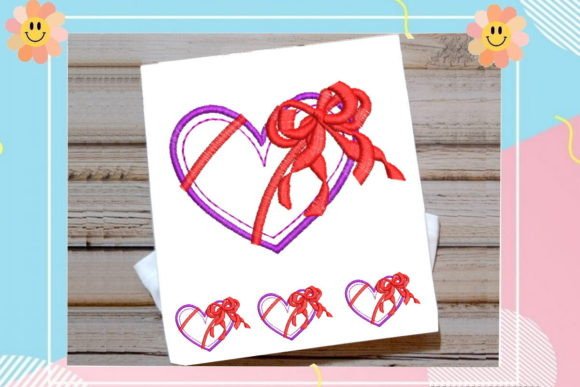
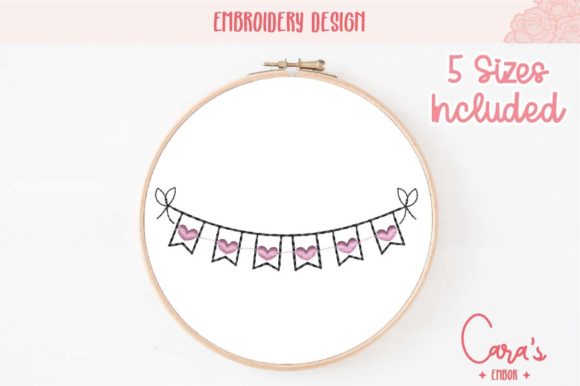
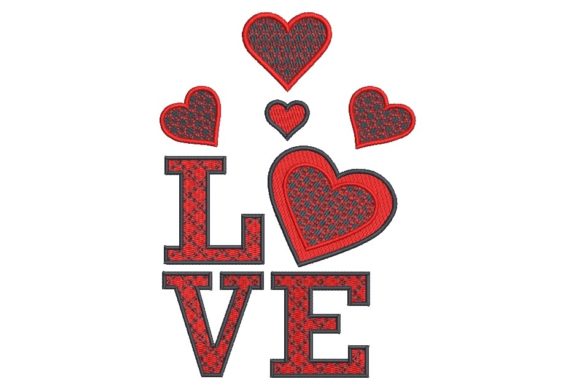
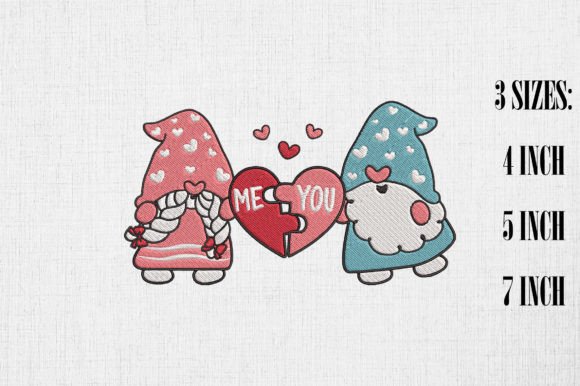
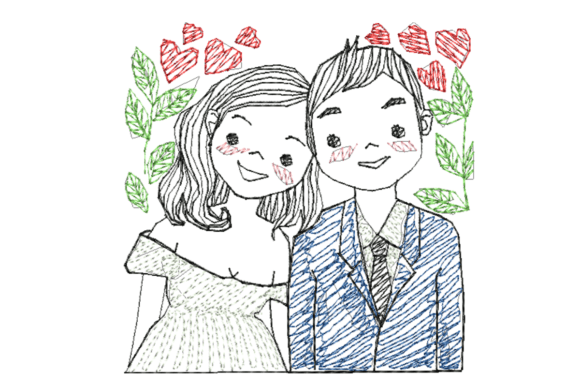
Valentine immediately evokes a sense of love and nostalgia. The design features a clean, minimalist line pattern that feels modern yet classic. It’s not overly detailed, which makes it versatile but also limits its complexity. The layout is balanced, with enough visual interest to stand out without overwhelming the fabric it's stitched onto.
This design naturally fits into projects like tote bags, sweatshirts, and baby clothes. Its simplicity makes it perfect for small hoop sizes, but it also requires attention to detail when working with larger areas. The theme is clear—Valentine’s Day—but it can also work as a general romantic motif for weddings or anniversary gifts.
Valentine in Real-Life Embroidery Projects
When considering real-life use, Valentine works well on custom apparel such as t-shirts, sweatshirts, and tote bags. The line pattern ensures clarity, making it easy to see even on darker fabrics. However, it may not be the best choice for intricate details or layered garments where more depth is needed.
For baby items, Valentine could be a charming addition to onesies or blankets. Its simplicity helps avoid visual clutter, which is important for baby products. On caps and hats, the design holds up well, especially if the hoop size is appropriate. But for curved surfaces, care must be taken to ensure the design doesn’t stretch or distort during stitching.
Valentine also has potential as an embroidered patch or applique design. Its line style allows for easy customization and can be adapted to different fabric types. For small shop products or Etsy listings, this design offers a clean, professional look that appeals to buyers looking for handmade or personalized gifts.
Where to Use Valentine Carefully
While Valentine is versatile, there are situations where it might not perform as expected. On small hoop sizes, the design may feel cramped, limiting its ability to showcase detail. Textured fabrics can also affect the outcome, as the line pattern may not sit flat or may appear uneven.
Thin or stretchy fabrics pose another challenge. Without proper stabilizer, the design may pucker or lose definition. Dark fabrics require careful thread color selection to ensure the design stands out. Similarly, products that need frequent washing may benefit from a more durable stitch type, such as satin or fill stitches, rather than running stitch.
Detailed corners or tiny lettering can be problematic if the design isn’t optimized for those elements. Dense stitch areas may cause the fabric to stiffen, which isn’t ideal for items like pillow covers or tea towels. Decorative accents or layered designs might overshadow the main motif, reducing its impact.
How Valentine Affects Visual Appeal and Customer Trust
Visual appeal is crucial for any embroidery project, and Valentine delivers a clean, elegant look that can elevate a handmade product. Its simplicity makes it easy to incorporate into various designs, helping maintain brand consistency across different items. For small business owners, this design can serve as a reliable asset for Etsy listings or craft fair booths.
Customer trust is built through quality and reliability. If Valentine is stitched properly, it can enhance the perceived value of a finished product. However, poor execution—such as incorrect hoop size or unstable stitching—can lead to dissatisfaction. As a designer, it’s important to ensure that the design meets the expectations of both the client and the end user.
For giftability, Valentine’s romantic theme makes it a natural fit for Valentine’s Day, weddings, or personal milestones. Its professional appearance also makes it suitable for commercial embroidery projects, where consistency and clarity are key. Buyers looking for recognizable, high-quality designs will appreciate the effort put into this one.
Practical Designer Notes for Using Valentine
Before using Valentine in a project, test it on scrap fabric to assess how it looks on your chosen material. Check thread color contrast to ensure the design is visible and aesthetically pleasing. Review the stitch density to determine if it’s suitable for the fabric you’re using.
Confirm the hoop size required for the design, as this can affect how it’s placed on the garment. Inspect small details, especially if the design includes intricate lines or curves. Test it in black and white mockups to see how it translates without color. Compare it on light and dark fabric backgrounds to choose the best option.
Use the right stabilizer for the fabric type to prevent puckering or distortion. Ensure the design works for both personal and commercial projects, and always check licensing terms before selling finished items or digital products. These steps help maintain professionalism and avoid unexpected issues down the line.
Valentine as a Design Asset for Creative Entrepreneurs
For creative entrepreneurs, Valentine offers a practical and visually appealing option for a range of projects. Whether you're creating custom apparel, personalized gifts, or small shop merchandise, this design can add a touch of romance and sophistication. Its line pattern makes it easy to adapt and integrate into different styles and themes.
As a digital embroidery file, it provides flexibility for designers and sellers who want to offer downloadable assets. For printable mockups or digital product previews, Valentine’s simplicity ensures it remains clear and legible. It’s a reliable choice for craft businesses looking to expand their product offerings without overcomplicating the design process.
Ultimately, Valentine is a thoughtful design that balances aesthetics with functionality. When used correctly, it can enhance the appeal of handmade products, increase customer engagement, and support the growth of a creative business. With proper preparation and attention to detail, it can become a valuable part of any embroidery project.