Gray Baby Elephant Embroidery Design
As an embroidery designer and product reviewer, I’ve evaluated countless machine embroidery designs. Gray Baby Elephant stands out for its charm and versatility, but it’s not a one-size-fits-all solution. Let me walk through how this design performs in real-world projects and what to consider before using it in your work.
The First Impression: A Soft, Adorable Design
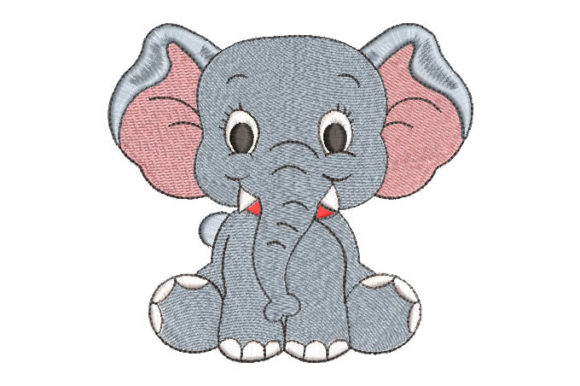
Gray Baby Elephant immediately evokes a sense of calm and cuteness. The shape is simple yet expressive, with rounded edges and a gentle posture that feels inviting. The layout is balanced, making it ideal for small to medium-sized embroidery projects. Its theme is clearly baby-related, which makes it perfect for nursery decor, baby clothes, or personalized gifts.
The detail level is moderate—enough to make the elephant recognizable without being overly complex. It’s a design that works well on both light and dark fabrics, depending on thread color choices. The visual personality leans toward softness and simplicity, which fits perfectly with baby animals and handmade products.
Real-Life Use Cases: Where Gray Baby Elephant Shines
Imagine you’re creating a custom embroidered tote bag for a client who wants something unique and meaningful. Gray Baby Elephant would be a great fit. It adds a personal touch without overwhelming the design. Similarly, if you’re working on a sweatshirt or t-shirt for a boutique brand, this design could serve as a subtle yet memorable emblem.
For baby items like onesies, blankets, or booties, Gray Baby Elephant offers a timeless look that appeals to parents. It also works well as an embroidered patch for jackets, backpacks, or caps. The design’s size and structure make it suitable for patches that can be sewn onto various garments.
In holiday or wedding gift scenarios, this design can be used as part of a themed set. For example, a set of embroidered kitchen towels with Gray Baby Elephant could be a thoughtful, handmade gift. As a digital product seller, you might include it in a collection of baby-themed embroidery files for Etsy or craft fairs.
Challenges and Considerations: When to Be Cautious
While Gray Baby Elephant is versatile, there are situations where it may not perform as well. If you’re working with a small hoop size, the design might need to be split or scaled down, which could affect the overall look. On textured fabrics, such as denim or burlap, the stitches might not lay flat, reducing the design’s clarity.
Thin or stretchy fabrics can also be tricky. Without proper stabilizer, the design may pucker or distort. Dark fabrics require careful thread color selection to ensure the design stands out. If you're stitching on a curved surface like a cap, the design’s shape may need adjustments to fit properly.
Detailed corners or tiny lettering could be problematic if the stitch density is too high. In such cases, a running stitch or satin stitch might be more effective than a fill stitch. For commercial embroidery projects, always check the licensing terms before selling finished items or digital products.
Impact on Visual Appeal and Customer Perception
When stitched correctly, Gray Baby Elephant enhances the visual appeal of any project. It adds a touch of elegance and personality that can elevate a handmade product from ordinary to special. Customers often respond positively to cute, recognizable designs, especially when they’re used for personalized gifts or baby items.
Stitching clarity is key here. If the design is too dense or the thread colors don’t contrast well, it can look muddy. This affects the perceived value of the finished product. For small shop merchandise or Etsy listings, a clean, well-executed design can build customer trust and encourage repeat purchases.
From a branding perspective, Gray Baby Elephant can help maintain consistency across a product line. It’s a design that can be used in multiple formats—whether as a printable mockup, a digital embroidery file, or a physical item. Its adaptability makes it a valuable addition to any embroidery project or digital asset collection.
Practical Designer Notes: What to Test Before Using
Before committing to a project, I always recommend testing the design on scrap fabric. This helps you see how the stitches interact with the material and whether the design looks as expected. Check thread color contrast, especially on dark fabrics, to ensure the design is visible and appealing.
Review the stitch density to avoid issues with puckering or distortion. Confirm the hoop size required for the design and make sure your machine can handle it. Inspect small details like the ears or eyes to ensure they’re clear and well-defined.
Test the design in black and white mockups to see how it translates without color. Compare it on light and dark fabric backgrounds to determine the best thread choices. Always use the right stabilizer for the fabric type, and double-check that the design is suitable for both personal and commercial use.
Final Thoughts: A Versatile, Adorable Design
Gray Baby Elephant is a charming and practical embroidery design that works well in a variety of projects. Whether you’re creating custom apparel, baby items, or small shop merchandise, this design has the potential to add value and appeal. However, like any machine embroidery design, it requires careful consideration and testing to ensure it meets your expectations.
For embroidery designers, Etsy sellers, and craft business owners, Gray Baby Elephant is worth exploring as part of your design library. Just remember to approach it with the same care and attention you’d give any other embroidery file. With the right setup and execution, it can become a standout piece in your portfolio or product lineup.